Ice Fish Strategy: How to Play Smarter Without Chasing Myths
Strategy Starts With the Right Expectation
Many players search for an Ice Fish strategy hoping to find a hidden system, a pattern, or a way to predict the next result. That is the wrong place to start.
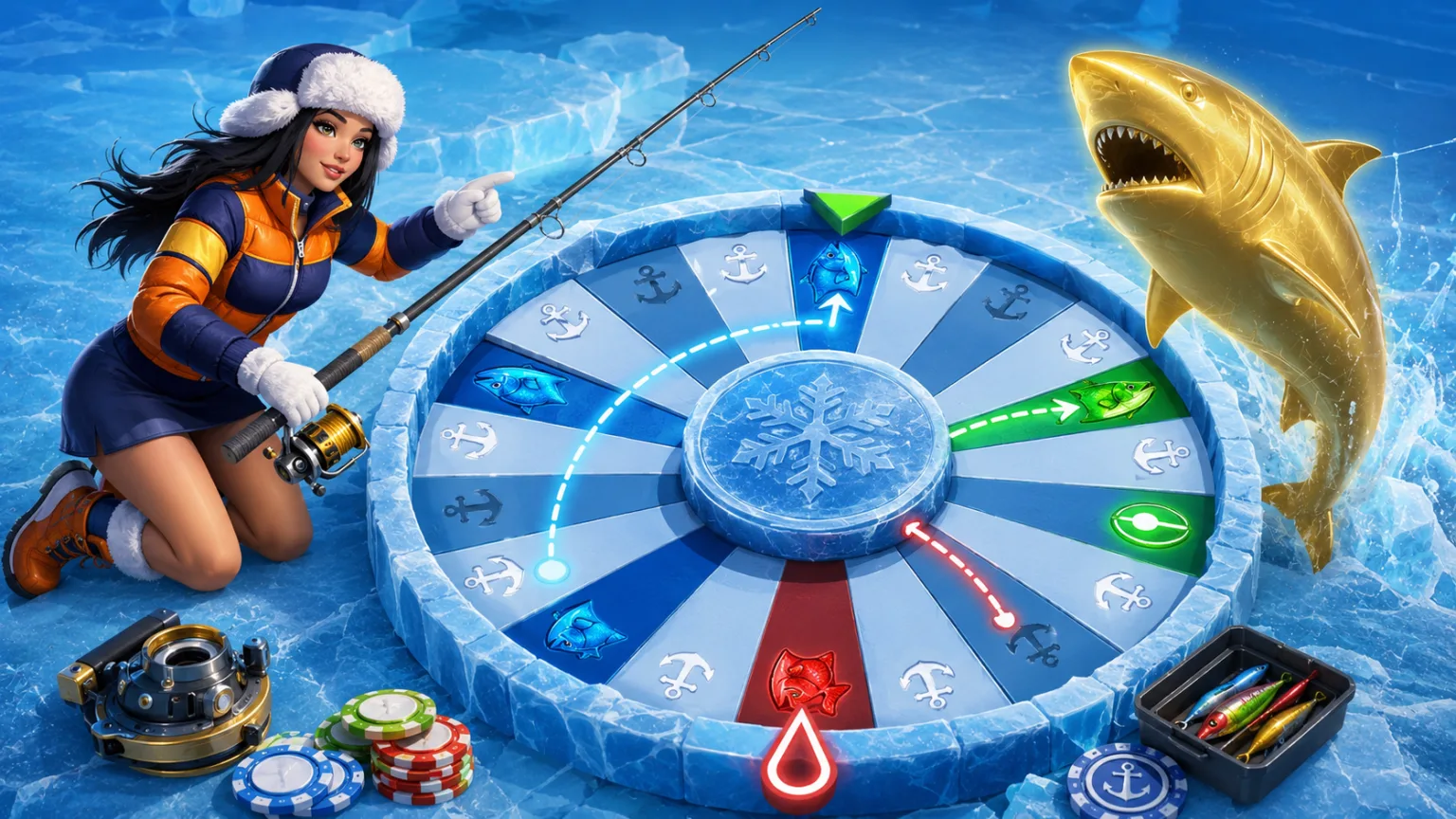
Ice Fish by InOut Games is an instant game built around an ice-fishing theme and staged result reveal. Player follows the fish catch and waits for the outcome. The game is simple, but that does not mean it can be abused.
There is no public strategy that can guarantee wins in Ice Fish. The result is random and past outcomes do not predict the next outcome.
A real strategy for Ice Fish is different. It is not about beating the game. It is about understanding how the game works, how fast it moves, how the demo version helps, and how to avoid the most common mistakes players make in fast instant games.
That kind of approach is more useful than any "winning trick" article.
Can You Really Win With a Strategy?

The honest answer is no - not in the way many players imagine it.
Ice Fish does not give players information that can be used to predict future outcomes. You cannot read the catch animation, track previous rounds, or use a pattern to know what comes next.
What you can do is play with more awareness.
That means:
- understanding the game flow;
- testing demo mode before real play;
- learning the pace of the rounds;
- knowing what RTP actually means;
- avoiding automatic decisions;
- stopping before the session becomes too long.
This will not change the math of the game. But it can change how you interact with it.
Learn the Game Before Looking for Tactics
Ice Fish is not a traditional slot. No reels and paylines or wild symbols. The game is built on three steps: the round begins, the catch develops and the result appears after a short time.
That structure matters.
Some players open the game and focus only on whether they win or lose in the first few rounds. That is too narrow. The better first step is to understand the rhythm of the game.
Watch how the round starts. Notice how the catch is revealed. See how quickly the next round becomes available.
Ice Fish is easy to learn, but it still needs a few rounds before the experience feels clear.
Why Demo Mode Is the Best First Step

The smartest Ice Fish strategy begins in demo mode.
Demo play gives you time to understand the game without financial pressure. You can test the interface, follow the catch progression, and see whether the game's speed suits your style.
The point of demo mode is not to check if the game is "hot" or "cold." Demo results do not predict real-money results. A good demo run does not mean the next real session will win. A bad demo run does not mean the game is against you.
Demo mode is useful because it shows how the game feels.
During demo play, focus on:
During demo play, focus on:
- how fast the rounds move;
- whether the interface is clear;
- how the reveal builds anticipation;
- how the game looks on your device;
- whether you still enjoy the format after several rounds.
A few screenshots cannot show that. A demo session can.
How Long Should You Test Ice Fish?
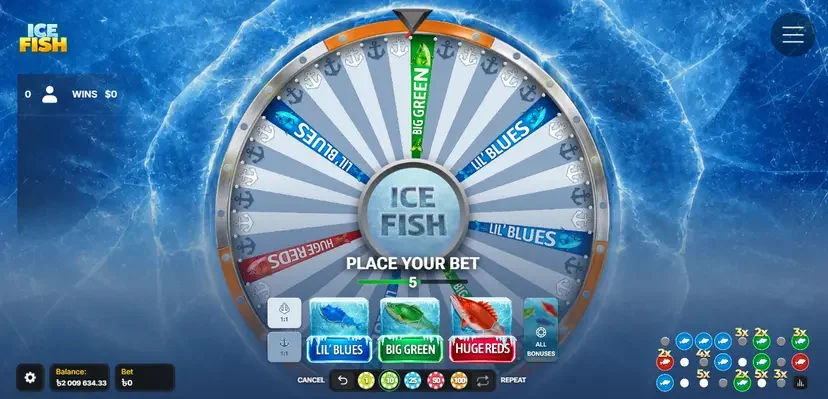
Two or three rounds are usually not enough. At that point, you are only seeing the surface.
A better test is a longer demo session. After several rounds, you start to notice the real pace of the game. You see how quickly rounds repeat, how the progression feels over time, and whether the format keeps your attention.
You do not need to play for hours. But giving the demo a proper test is better than judging the game after one lucky or unlucky outcome.
| Demo Can Show You | Demo Cannot Show You |
|---|---|
| Game pace | Future results |
| Catch progression | Guaranteed wins |
| Interface comfort | Real-money emotions |
| Mobile usability | A secret pattern |
| Overall game feel | Long-term performance |
The biggest mistake is treating demo mode like a prediction tool. It is not. It is a test environment.
Use it to understand Ice Fish, not to guess what the next round will do.
Understanding RTP in Ice Fish
Ice Fish has an RTP of 95.5%. Many players see this number and immediately try to turn it into a strategy. That is not how RTP works.
RTP stands for Return to Player. It is a theoretical long-term percentage calculated over a very large number of rounds. It gives players a general idea of the game's mathematical structure, but it does not describe what will happen in one session.
RTP does not tell you:
RTP does not tell you:
- when a win will happen;
- what the next result will be;
- whether your session will end positive;
- how long winning streak will last.
RTP is useful information, but it is not a tool for predicting.
Why Fast Games Need More Attention
Ice Fish moves quickly. That is part of its appeal, but it can also create a problem.
Fast rounds make it easy to continue without thinking. One round ends, the next one starts, and after a while the player may stop noticing how much time has passed.
This is common in instant games. The speed removes friction. You do not wait long, so you also get fewer natural pauses.
That is why awareness matters more in Ice Fish than complicated tactics.
If you notice that you are clicking through rounds automatically, it is probably time to pause. The game should feel like entertainment, not a habit running on autopilot.
Signs You Should Take a Break
You do not need a complicated rulebook to know when a session is going wrong. Usually, the signs are simple.
Take a break if you notice that:
- you are rushing into the next round;
- you stopped paying attention to the game itself;
- you lost track of time;
- you are playing only to recover a previous result;
- you no longer enjoy the session.
A short pause can reset the way you look at the game. It also prevents fast gameplay from turning into automatic repetition.
Mobile Play: Why It Feels Faster
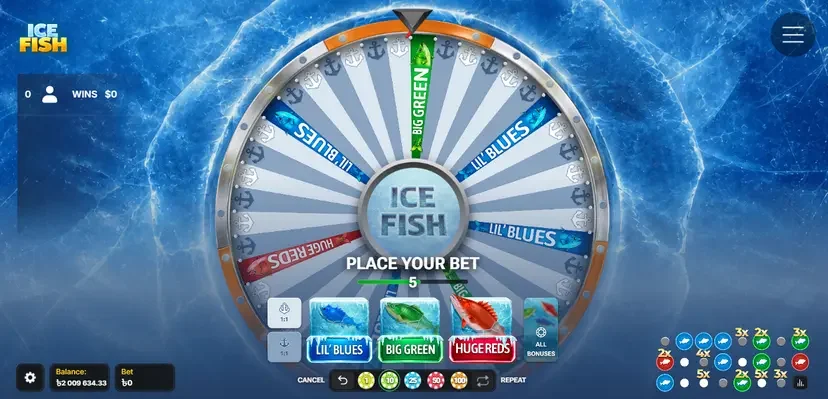
Many players will try Ice Fish on mobile first. The game works well on a phone because the interface is compact and the rounds are short.
But mobile play can feel faster than desktop play. The phone is always nearby, and one tap is enough to continue. That makes sessions easier to start and harder to notice once they stretch longer than planned.
On mobile, pay attention to:
- screen readability;
- bet controls;
- round speed;
- connection stability;
- how long you have been playing.
The mechanics are the same as desktop, but the behavior can feel different because mobile access is so easy.
A practical mobile tip is to decide before starting how long you want to play. That small decision can help keep the session controlled.
Where Ice Fish Players Usually Go Wrong
The first mistake is trying to turn a few rounds into a pattern. In a fast game this happens easily: you see a result repeat, or you notice a certain outcome has not appeared for a while, and the mind starts building a story around it. Ice Fish does not give that story any real value. The next round is not waiting for the previous one to "balance out".
Demo mode creates another trap. Some players open it, play two or three rounds, and already decide that they understand the game. That is too early. A short test only shows the surface. The demo becomes used to show how the catch reveal works and whether the game still feels interesting after the first impression.
RTP is also easy to read the wrong way. The number can help you understand the long-term model of the game, but it does not speak about your next round. It is not a timer, not a signal, and not a promise that something is "due".
Practical Advice for a First Session
Start with demo mode, but do not rush through it. Watch enough rounds to understand the tempo, not just the result screen.
Pay attention to the catch reveal. That is where Ice Fish gets its identity. The game is not about the final multiplier; it is also about how the outcome is built.
Keep the first session short and calm. You are not trying to "solve" the game. You are checking whether the format suits you.
Use RTP as background information only. It can describe the game's long-term structure, but it cannot tell you what will happen next.
And be careful with any "guaranteed Ice Fish strategy". If someone promises a system that removes randomness, they are selling confidence, not a real method.
Ice Fish vs Traditional Slot Strategy
Many casino strategy guides are written for slots. Ice Fish needs a different approach.
Traditional slots are built on reels, symbols, paylines, buy bonus and feature triggers. Ice Fish is a single progression-based flow.
| Feature | Ice Fish | Traditional Slots |
|---|---|---|
| Main Format | Instant progression game | Reel-based game |
| Main Focus | Catch reveal and pacing | Symbols and paylines |
| Learning Curve | Simple | Depends on the slot |
| Demo Value | High | High |
| Strategy Focus | Pace and session control | Features, volatility, paytable |
This is why slot habits do not always fit Ice Fish. You are not waiting for symbols to line up. You are following a fast round with a staged outcome.
The better approach is to understand the experience itself, not copy slot strategies into a different game type.
Responsible Ice Fish Play
The most useful strategy is staying in control.
Before playing, decide what kind of session you want. Are you just testing the game? Playing a few rounds? Comparing it with other instant games? Knowing this before you start helps prevent the session from drifting.
Ice Fish moves quickly, so a session can stretch without you noticing.
A result may look close, surprising, lucky, or badly timed, but it should not be treated as a message from the game. One round ends, and the next one begins on its own terms.
The healthiest way to approach Ice Fish is to see it as a short entertainment game, not as a tool for making money.
Final Verdict: What Is the Best Ice Fish Strategy?
There is no hidden system that guarantees results in Ice Fish.
The best strategy is much simpler: understand the game before you play seriously.
Use demo mode. Learn the pace. Watch the catch progression. Understand RTP correctly. Keep sessions controlled. Do not chase patterns.
This will not help you control the result, because every round is random. But it can help you play more calmly and understand when to start, stop, or skip the game.
In Ice Fish, smart strategy is not about forcing a win. It is about staying in control of your session. It is about knowing the game well enough to stay in control of your own session.
FAQ
Is there a real Ice Fish strategy?
Not a winning system. Ice Fish is random. Strategy here means playing with a clearer head: test the demo, understand the pace, and stop before the game turns into automatic clicks.
Can I win more often with a special trick?
No. There is no known trick that changes the result. Be careful with any guide that promises exact timing, secret patterns, or "safe" wins.
Should I try Ice Fish Demo first?
Yes. Demo mode is useful because you can see how the game moves before using real money. You get the same basic feel, but without pressure.
How long should I play in demo mode?
Long enough to understand the rhythm. One round can tell you almost nothing. After several rounds, it becomes easier to say whether the game feels comfortable or too fast.
Does RTP mean I will get 95.5% back?
No. RTP is not about your next session.
Why should I take breaks?
Ice Fish is quick. Without breaks, it is easy to keep playing just because the next round starts fast.
What else should I watch besides the result?
Look at how the game feels. Is the screen clear? Is the pace comfortable? Do you still pay attention after a few rounds? These things matter too.
Can I use slot strategy here?
Not really. Ice Fish is not built like a normal slot.
What is the best tip for a beginner?
Start with the demo and keep the first session short. Do not try to solve the game from the first minutes. Just see how it works and whether you actually like the format.